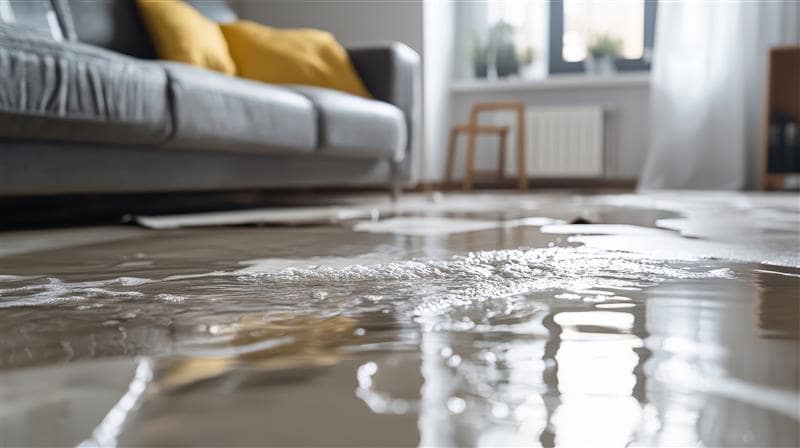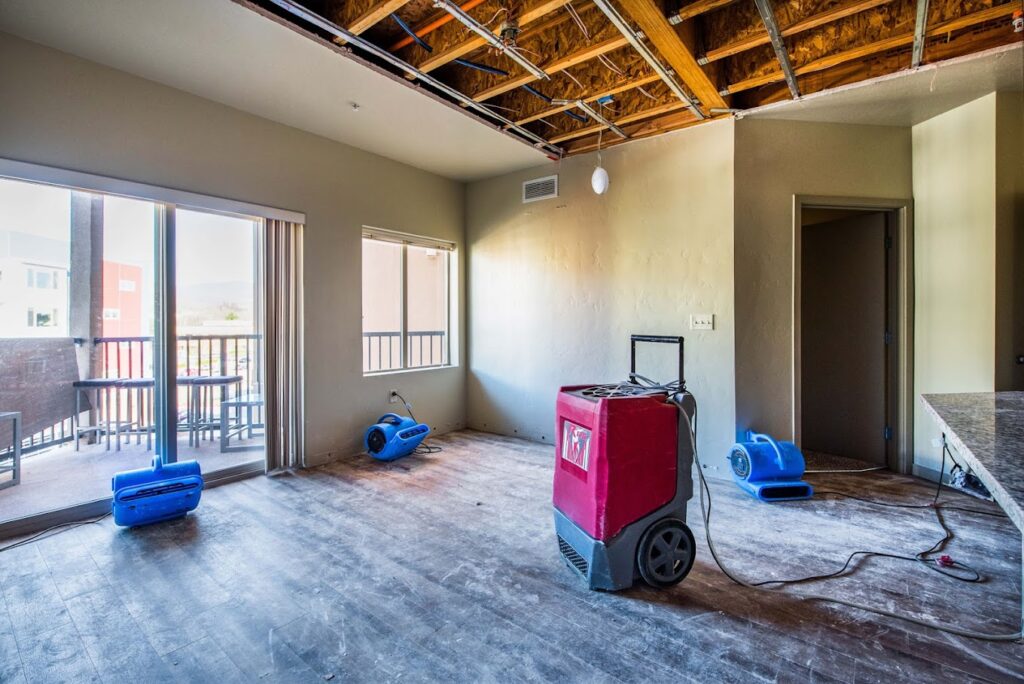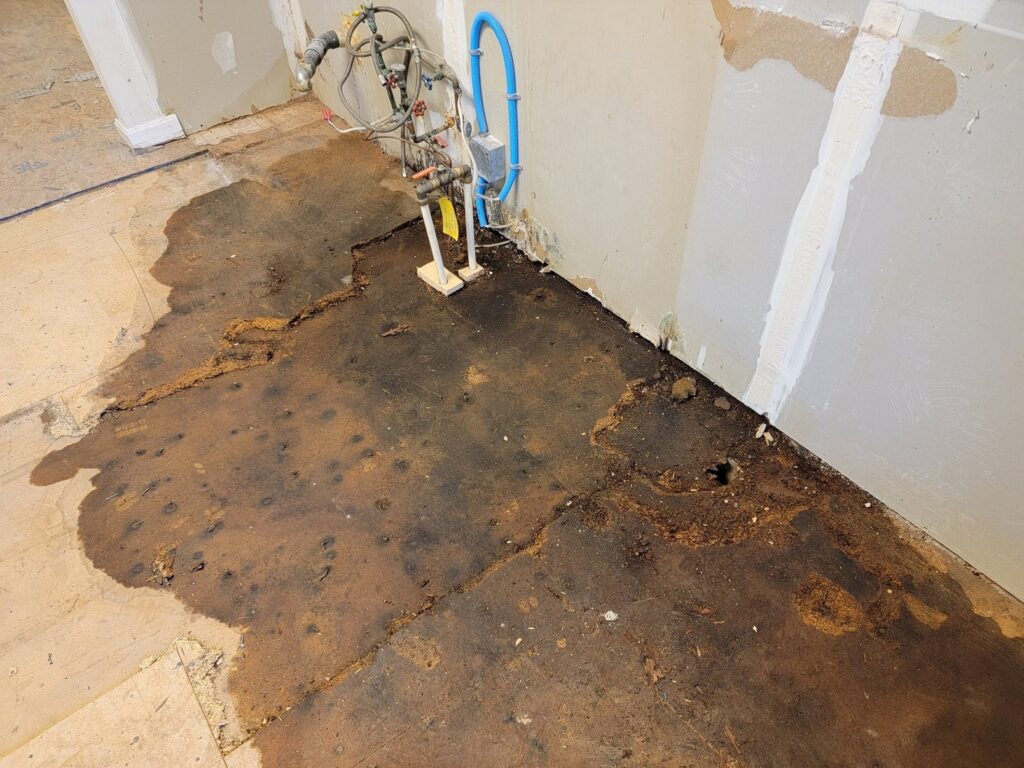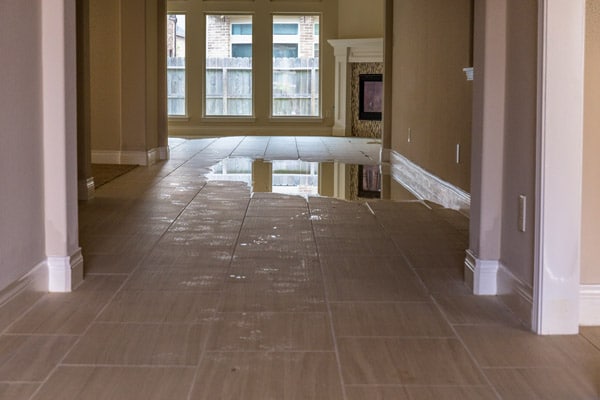
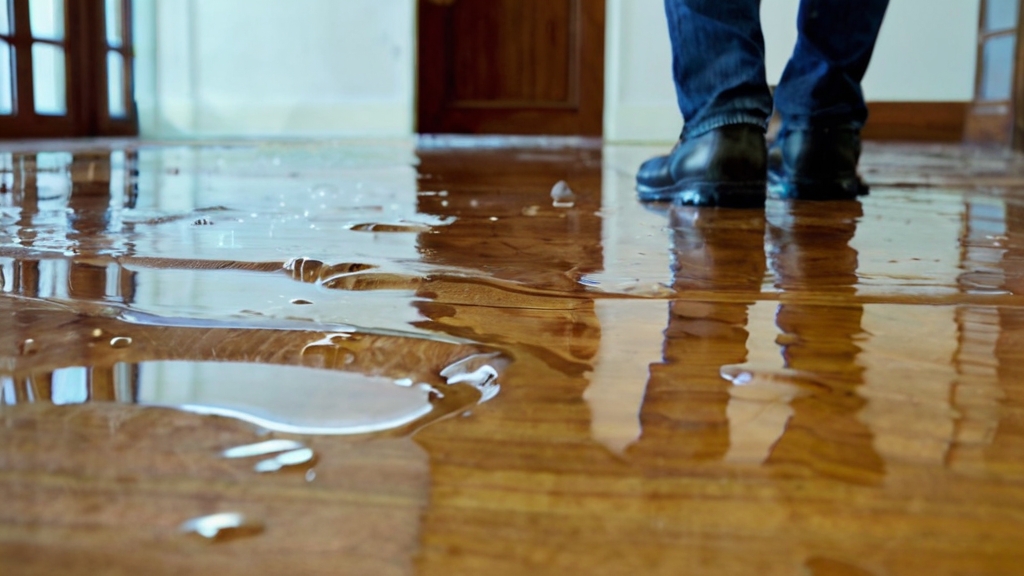
Water damage strikes homes in Cartersville, GA, more often than many residents realize, turning cozy living spaces into soggy nightmares overnight. As a leading restoration expert at Elandon Restoration Services Inc Cartersville Water Pros, we’ve seen it all—from burst pipes flooding basements near Lake Allatoona to storm surges overwhelming properties along Highway 411. Understanding the root causes empowers homeowners to prevent costly repairs and protect their families.
Why Water Damage Hits Cartersville Homes Hard
Cartersville’s unique location in Bartow County, nestled between the Etowah River and rolling hills, exposes homes to specific risks. Heavy rains around Dobbins Air Reserve Base or flash floods near downtown’s historic district can overwhelm drainage systems. Our team at Elandon Restoration has responded to hundreds of calls in neighborhoods like Wildcat, Mission Road, and near Cartersville Primary School, where poor grading leads to pooling water. With 16.9% of properties at flood risk today—rising to 17.3% in 30 years due to climate shifts—proactive knowledge is key.
Leaking pipes top the list, often from aging infrastructure in older homes around Etowah Indian Mounds. We’ve extracted water from walls in properties off Joe Frank Harris Parkway after undetected drips caused mold growth. Plumbing clogs in high-traffic areas like shopping centers along Market Square exacerbate issues, backing up sewers and flooding slabs.
Common Causes of Water Damage in Cartersville Homes
1. Leaking or Burst Pipes
The most frequent culprit in Cartersville residences is leaking pipes, responsible for over 40% of our service calls last year. Freezing temperatures during rare winter snaps—think those unexpected dips below 20°F near Lake Acworth—cause pipes to expand and burst. In one case near Douthit Ferry Park, a main line failure flooded a 2,000-square-foot ranch home, costing $25,000 in repairs before our rapid extraction prevented structural compromise.
Aging galvanized pipes common in pre-1980s builds around Cartersville High School corrode internally, leading to pinhole leaks. Symptoms include damp spots under sinks, musty odors, or spiking water bills. We’ve inspected countless systems in the Water’s Edge subdivision, where mineral buildup from local hard water accelerates wear. Prevention starts with annual inspections; insulating exposed lines in crawlspaces near Allatoona Creek cuts risks dramatically.
Sudden pressure surges from municipal line flushes—conducted regularly by Bartow County Water Department—can also trigger failures. Homeowners near fire hydrants on Highway 140 report higher incidents, as high-velocity tests strain joints. Our expertise, honed from IICRC certifications, ensures thorough pipe scoping using thermal imaging to detect hidden threats before they escalate.
2. Plumbing Problems and Sewer Backups
Plumbing issues plague Cartersville homes due to tree roots invading lines near lush parks like Friendship Park. Clogs from grease, hair, and flushable wipes build pressure, forcing sewage into basements. A recent job in the Rose Lawn area saw backups reach 18 inches deep, contaminating living spaces with Category 3 black water.
Sump pump failures during Etowah River swells compound this. In low-lying spots off Cassville Road, overwhelmed pumps fail, pooling groundwater. We’ve deployed truck-mounted extractors to remove thousands of gallons, drying structures with industrial dehumidifiers to prevent warping hardwood floors common in historic districts.
High nitrate levels from runoff—0.54 ppm in 2022 city reports—indicate septic strains leaching contaminants. Rural homes near Pettit Creek face higher backups; our biohazard protocols ensure safe cleanup, with EPA-compliant disposal.
3. Appliance Malfunctions
Household appliances like water heaters and washers fail silently, accounting for 25% of incidents. Rusty tanks in garages off Interstate 75 burst, releasing 50 gallons scalding water. A Mission Estates family discovered their unit’s anode rod depleted, leading to perforation—we mitigated $15,000 damage overnight.
Washing machines in tight laundry closets near Cartersville Country Club vibrate hoses loose. Supply line bursts flood tile floors, seeping into subfloors. Dishwashers with faulty floats overflow, common in rentals around downtown shopping. Regular hose replacements with braided steel and annual maintenance checklists avert these.
4. HVAC System Leaks
Cartersville’s humid summers strain HVAC units, causing condensate drain clogs. Algae buildup in lines near Lake Allatoona evaporative sources blocks flow, dripping water into attics. We’ve remediated mold-infested insulation in homes off US 41, where ignored leaks led to joist rot.
Clogged evaporator coils freeze, then thaw catastrophically. Professional servicing every six months, as recommended by our certified techs, includes drain line flushing with vinegar solutions tailored to local water chemistry.
5. Weather-Related Flooding and Storms
Georgia’s severe weather—flash floods, hail, tornadoes—poses high risks, with Cartersville’s flood score at 53. Properties in 500-year zones near Etowah Crossing face threats despite no mandatory insurance. We’ve pumped out slabs after thunderstorms dumped 4 inches in hours around Lake Dorothea.
Roof leaks from shingle wear during high winds penetrate near chimneys in older Victorians by the Bartow History Museum. Gutter clogs from oak debris common in Woodland Acres divert water into foundations. French drains and regrading enhance resilience.
6. Poor Drainage and Foundation Issues
Clay-heavy soils around Red Top Mountain swell with rain, cracking foundations near major intersections like 411 and 140. Hydrostatic pressure forces water through slabs in the Summit subdivision. Our structural drying teams use injectidry systems to equilibrate moisture without demolition.
Inadequate gutters on homes near schools like Cartersville Middle overflow, eroding landscapes. Installing extensions directing runoff 10 feet from walls prevents this.
7. High Humidity and Mold Growth
Bartow County’s 70% average humidity fosters mold post minor leaks. Crawlspaces under elevated homes near the river trap moisture, germinating spores. Our antimicrobial treatments following IICRC S500 standards eradicate infestations safely.
Real Case Studies from Cartersville Restorations
Case 1: Burst Pipe in Wildcat Neighborhood. A family’s second-story pipe froze during a 15°F cold snap, cascading water through three floors. We arrived within 90 minutes, extracting 5,000 gallons and deploying 20 air movers. Full recovery in 72 hours, saving $40,000.
Case 2: Storm Flooding near Lake Allatoona. Heavy rains overwhelmed a shoreline property, submerging the lower level. Truck mounts removed Category 2 water; content manipulation preserved antiques. Structural integrity restored with antimicrobial fogging.
Case 3: Appliance Failure in Downtown Cartersville. A water heater rupture flooded a historic home near the Booth Western Museum. Rapid demolition of drywall revealed rot; sistered joists and new installs completed seamlessly.
These examples underscore our 24/7 emergency response, serving from Emerson to White with state-of-the-art equipment.
Preventing Water Damage in Your Cartersville Home
Start with a home audit: Check slopes away from foundations in yards near Pettit Park. Install water alarms under sinks in apartments off Main Street. Maintain roofs annually, especially clay tiles prone to cracking in hail-prone areas.
Upgrade to tankless heaters for downtown condos. Seal cracks in basements with hydraulic cement. Enroll in Elandon Water Damage Restoration Cartersville Specialists inspection program for peace of mind.
Monitor bills for leaks; Bartow County’s flow tests highlight system strains. Elevate appliances in flood zones near the county line. These steps slash risks by 80%.
Signs You Need Professional Water Damage Help
Warped floors, bubbling paint, or musty smells signal intrusion. Don’t delay—within 48 hours, bacteria thrive. Our thermal cameras detect moisture behind walls invisible to the eye.
In Cartersville’s variable climate, swift action preserves equity. We’ve salvaged million-dollar properties near the golf course from total loss.
About Elandon Restoration Services Inc
With decades in Cartersville restoration, Elandon Restoration Services Inc holds IICRC Master Certifications, serving Bartow faithfully. Our techs undergo 40-hour annual training, wielding EPA-registered antimicrobials. Trusted by insurers for fair pricing and rapid claims processing.
Frequently Asked Questions
What are the most common causes of water damage in Cartersville homes?
In Cartersville, water damage primarily stems from leaking pipes, plumbing failures, appliance malfunctions, HVAC leaks, severe weather, poor drainage, and humidity-driven mold. Leaking pipes account for the majority due to aging infrastructure and occasional freezes near Lake Allatoona. Plumbing backups from roots in clay soils around Etowah River properties are rampant. Appliances like water heaters burst under pressure in homes off Highway 411. HVAC clogs during humid summers drip into attics in neighborhoods like Water’s Edge. Storms with high flood risk (16.9% properties affected) overwhelm roofs near Dobbins Air Reserve Base. Poor grading on hillsides near Red Top Mountain causes foundation seepage. High humidity fosters secondary mold. Prevention involves inspections, maintenance, and alarms. Our team has mitigated these in hundreds of local cases, using advanced detection for early intervention. Acting fast minimizes costs and health risks from contaminants like elevated nitrates (0.54 ppm per city reports). Comprehensive audits tailored to Cartersville’s geology ensure lasting protection.
How quickly should I act on water damage in my Cartersville home?
Immediate action is critical—contact pros within the golden hour to limit spread. Water doubles in volume every 24 hours, promoting mold by 48. In Cartersville’s humid climate, Category 1 clean water turns gray fast from local sediments. We’ve seen basements near Lake Dorothea become biohazards overnight. Steps: Shut off water, remove valuables, ventilate. Avoid DIY drying; pros use psychrometric charts for optimal humidity control. Our 24/7 response deploys extractors, air scrubbers, and movers. Delays warp hardwoods common in historic districts like Rose Lawn. Insurers favor swift mitigation, reducing claims 30%. For floods from Etowah swells, pack out contents promptly. Thermal imaging pinpoints hidden saturation. Post-restoration, moisture meters verify under 15% levels. Cartersville-specific risks like clay soil retention demand specialized injectidry. Trust certified experts to safeguard your investment against long-term rot and allergens.
What does professional water damage restoration involve in Cartersville?
Restoration follows IICRC S500 protocol: Assessment with moisture detectors, water extraction via truck mounts, demolition of irreparable materials, drying with 1:1 mover-to-square-foot ratio, antimicrobial treatment, and reconstruction. In Cartersville jobs near Mission Road, we start with scope via infrared cams, then pump thousands of gallons. Dehumidifiers calibrated to 40-grain dew points combat local humidity. Air scrubbers with HEPA filter spores from river silt. Content vaults protect belongings offsite. For black water near septic areas, PPE and disposal per EPA. Rebuilds match historic codes downtown. We’ve restored post-storm homes along Joe Frank Harris with seamless drywall matching. Monitoring apps track progress remotely. Full antimicrobial fogging prevents recurrence. Tailored to Bartow’s water quality, this ensures structural safety and air purity. Expect documentation for insurance, with direct billing. Comprehensive service from Emerson to Adairsville.
Can water damage cause health issues in Cartersville families?
Yes, significantly—mold from undetected leaks triggers respiratory issues, allergies, exacerbated asthma. Cartersville’s humidity amplifies growth; Stachybotrys in crawlspaces near Pettit Creek releases mycotoxins. Bacteria in gray water from appliances harbor pathogens. Floodwater carries E. coli from livestock runoff per 2022 reports. Vulnerable groups—children at Cartersville Primary, elderly near the museum—face higher risks. Prolonged exposure causes headaches, skin irritation. Our post-mitigation air testing confirms safe PPM levels. Prevention seals vulnerabilities; HEPA vacs remove 99.97% contaminants. In one Lake Allatoona case, families reported symptoms post-flood; remediation cleared air quality. Annual HVAC cleans reduce vectors. Stay vigilant for musty odors signaling threats. Professional handling with N95 protocols protects all.
How much does water damage repair cost in Cartersville, GA?
Costs vary: Minor pipe leak $1,500-$3,000; major flood $10,000-$50,000+ depending on extent, category. Cartersville averages $4,200 per incident per local data. Factors: Square footage, water category (clean cheaper), contents affected, drying duration. Basements near river cost more due to access. Our transparent pricing—no hidden fees—includes free estimates. Insurers cover up to policy limits; we assist claims. Example: 1,500 sq ft attic leak $7,800 after extraction, drying, minor demo. Storm surges near Highway 140 add $5k for antimicrobials. Financing available. Compare: DIY risks $20k escalation from mold. Bulk equipment lowers our rates. Bartow-specific rebuilds factor permit fees. Get quotes from IICRC firms for accuracy.
Is flood insurance necessary for Cartersville properties?
Not always—FEMA X zones near parks don’t mandate, but 16.9% risk suggests yes. High score 53; 500-year events hit low areas off Cassville. NFIP covers floods, not standard policies’ seepage. Lake Allatoona proximity raises premiums, but discounts for elevations. We’ve aided claims post-thunderstorms, recovering $100k. Assess via First Street maps. Private insurers offer broader coverage. Combine with home policy riders. For Wildcat homes, mandatory in high-risk. Elevation certificates cut costs 20%. Annual reviews advised amid climate shifts. Our mitigation packs qualify discounts. Protect equity—average claim $40k.
How can I prevent pipe bursts in Cartersville winters?
Insulate exposed pipes in crawlspaces near creeks with foam sleeves. Maintain 55°F thermostats during dips. Drip faucets when below 28°F. Annual inspections detect corrosion from hard water. Shut off outdoor spigots, drain lines. In older homes near high school, replace galvanized. We’ve prevented bursts in Summit by proactive scoping. Generators for pumps during outages. Local freezes rare but potent—prep saves thousands.
What to do if sewage backs up in my Cartersville basement?
Evacuate, ventilate, call pros immediately—Category 3 hazardous. Don’t touch water. We contain, extract with hazmat gear, disinfect, dispose per regs. Sewer snakes clear roots common in clay soils. Pump replacements for sumps. In Rose Lawn case, full sanitize prevented illness. Air testing post-job. Insurance covers; document all. Prevent with cleanouts yearly.
Does Cartersville’s water quality contribute to damage?
Indirectly—hard water corrodes pipes faster; nitrates from runoff strain septics. 2022 report: Chlorine 1.5 ppm safe, but minerals build scale. Fluoride 0.81 aids teeth but clogs. Filters extend appliance life. We’ve seen failures from buildup near factories. Test annually.
How long does drying take after water damage in Cartersville?
3-5 days typically; attics 48 hours, basements week due humidity. We monitor to 12% moisture. Local climate extends; dehus pull grains efficiently. Contents 24-72 hours. Full pack-out speeds. Verified safe before rebuild.
Conclusion: Safeguard Your Cartersville Home Today
Water damage from these causes disrupts lives, but knowledge and swift response restore order. Contact Elandon Restoration for inspections—your first line against Cartersville’s watery woes.